Coir + growing media
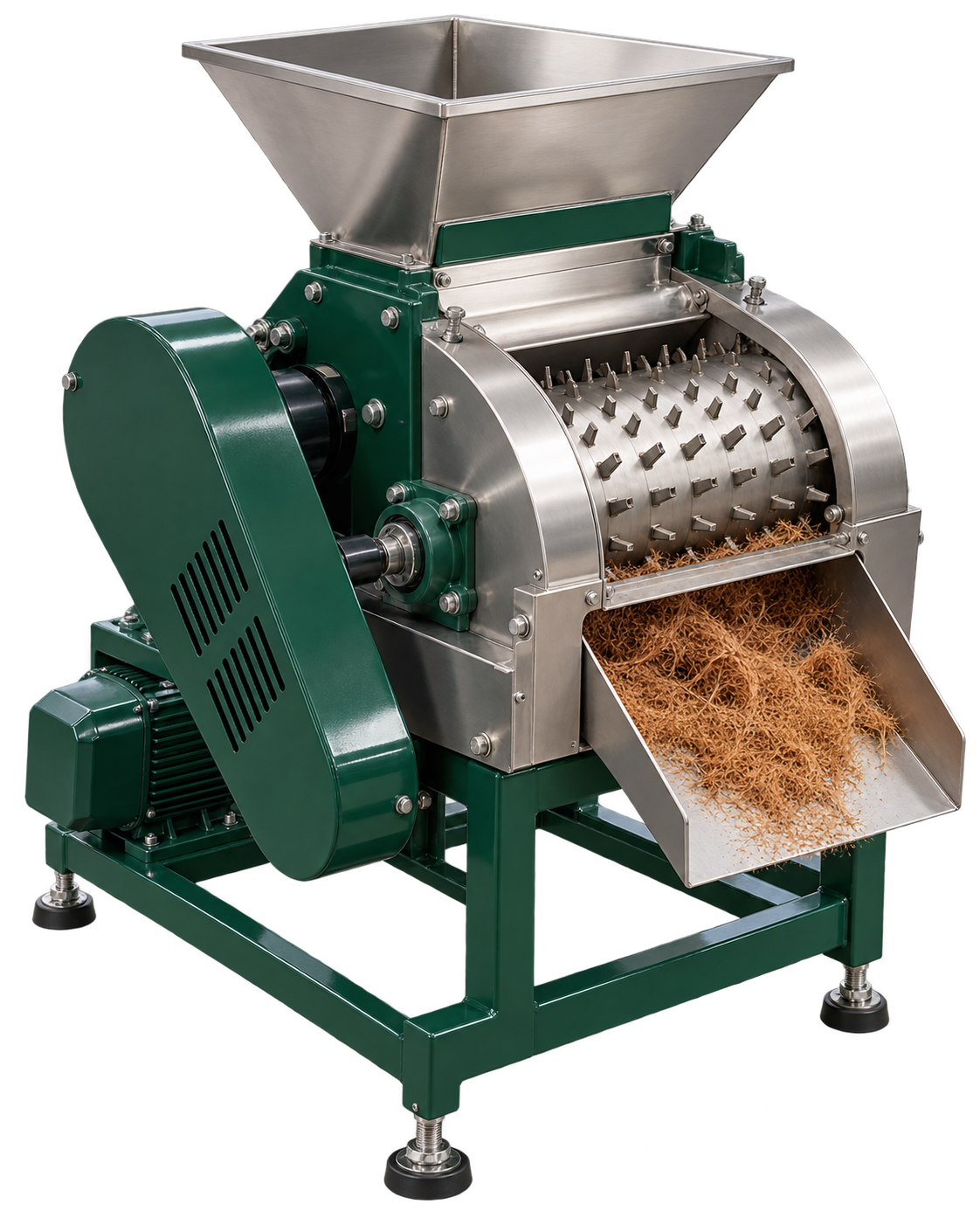
Green coconut husks can also be separated into coir fibre, chips and pith for landscaping, nurseries and growing-media applications. This gives COCOLOOP a practical outlet for material outside the molded-product line.
COCOLOOP Bahamas is developing sustainable products from discarded green coconut husks in The Bahamas.
Built in The Bahamas. Designed to reduce waste and create new local value.
COIR / FIBRE / CELLULOSE
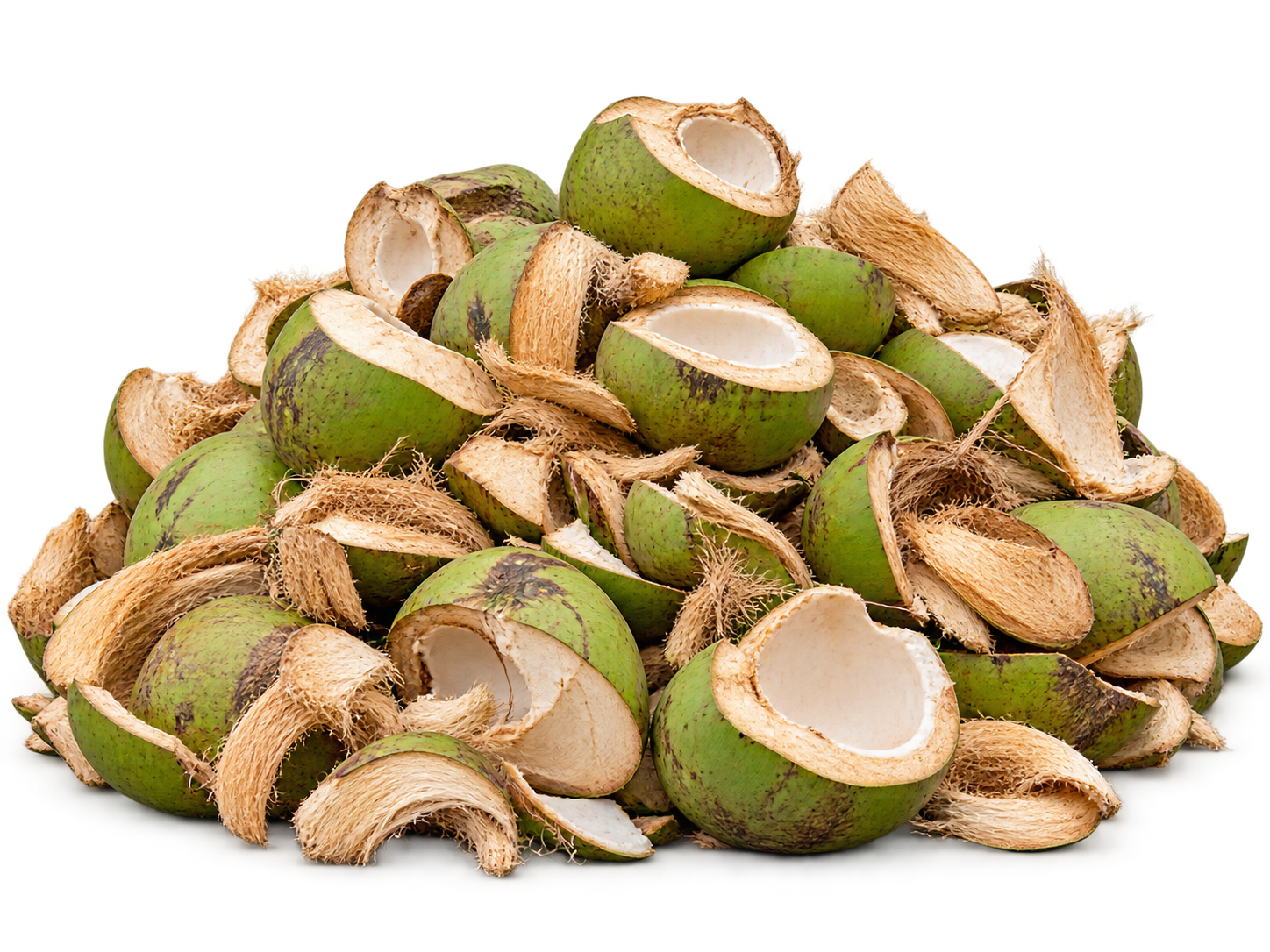
Green coconut husks are bulky, fibrous and usually discarded. COCOLOOP Bahamas is building a local processing system to recover that material and turn it into useful products.
From Nassau to the wider Bahamas, coconut waste is everywhere. The opportunity is to turn that waste into material, and that material into useful products.
COCOLOOP Bahamas sits at the intersection of sustainability, local manufacturing and circular economy thinking in The Bahamas.
Same production backbone. New mold = new SKU. The first goal is to prove the material, then build products around real demand.
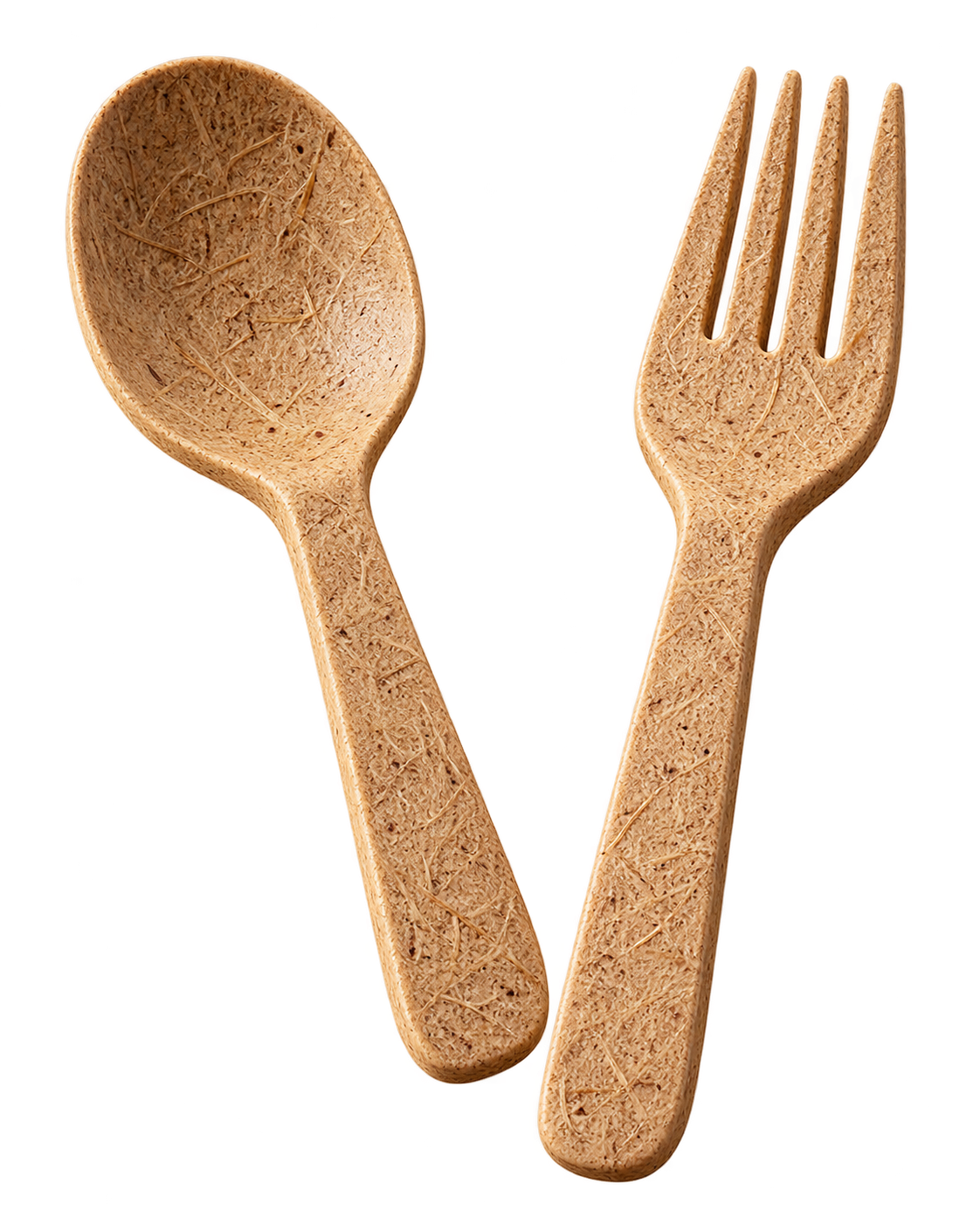
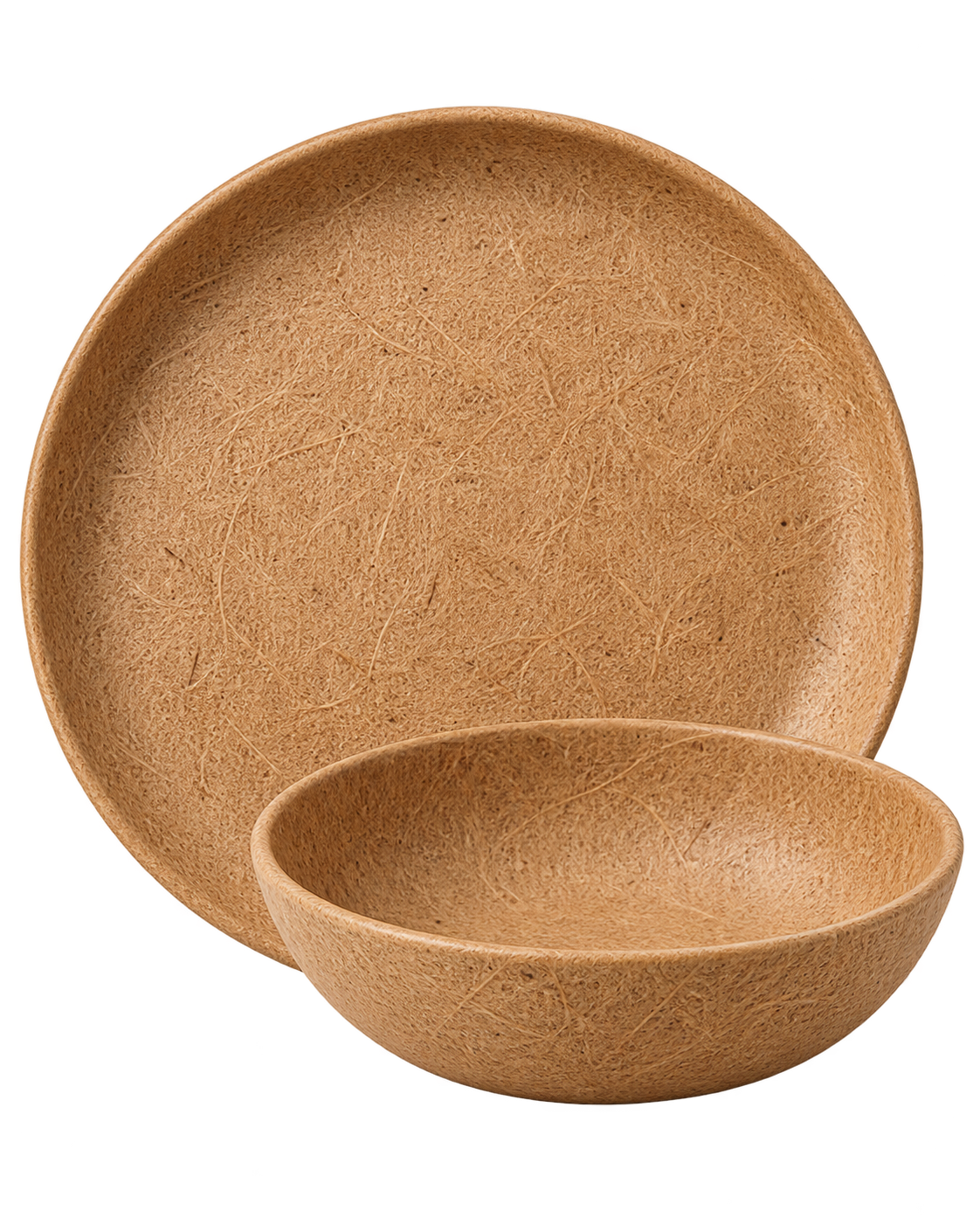
Repeat-use institutional products for hotels, restaurants, schools and caterers — after required testing and food-contact validation.


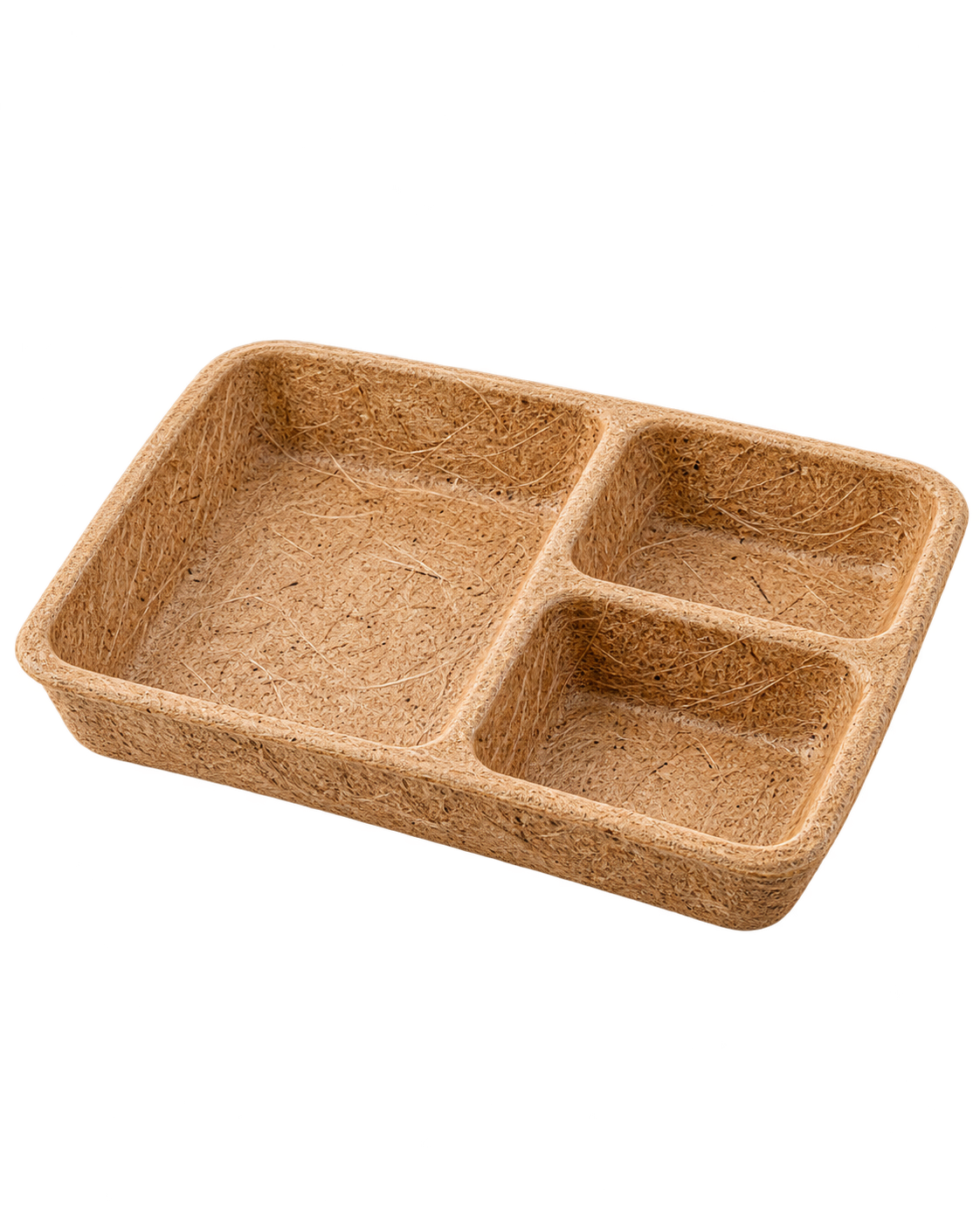
High-volume molded fiber products that can share the same pressing platform with different tooling.
A practical path into sustainable packaging Bahamas buyers already understand: food service, catering and institutional meal programs.


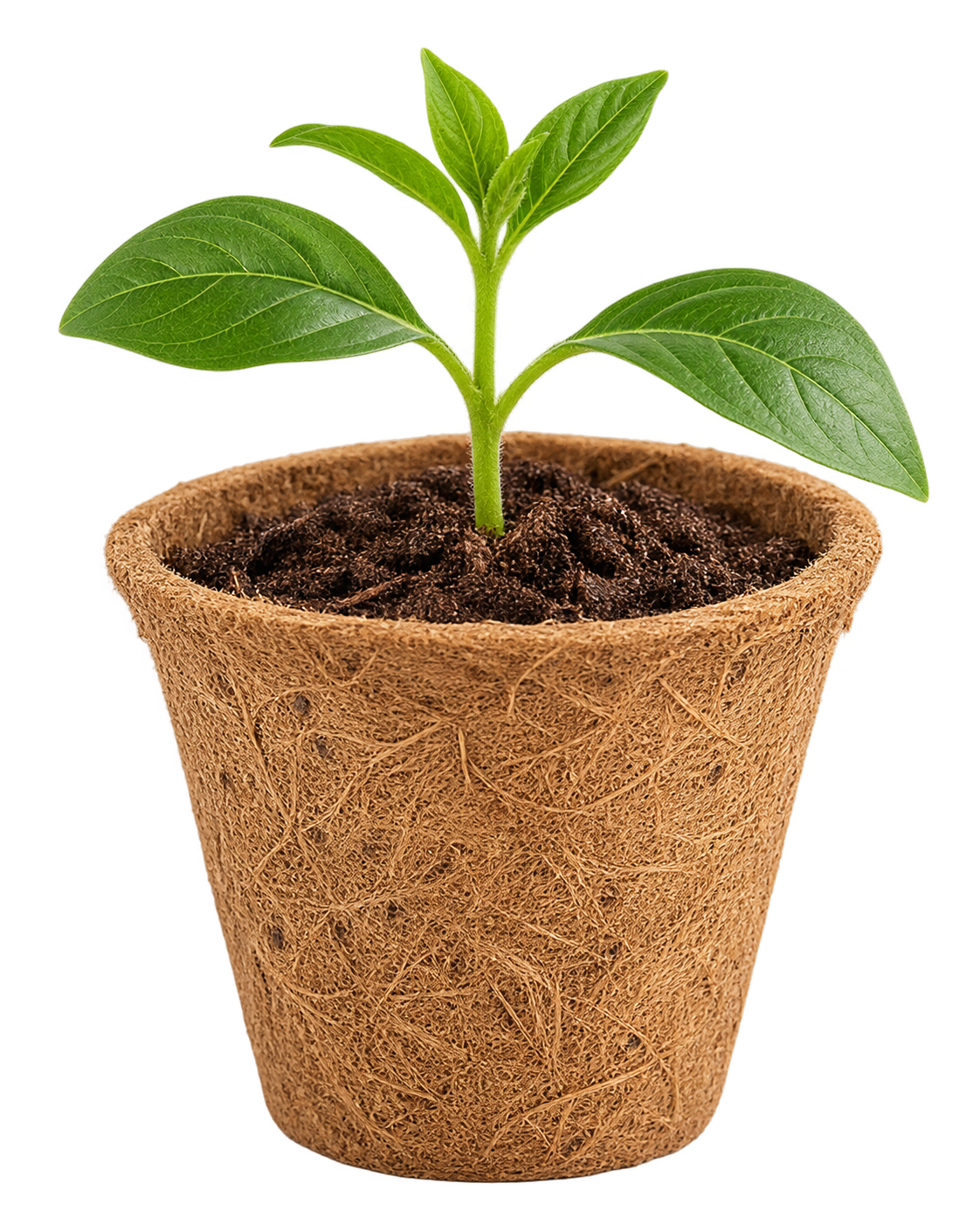
Non-food-contact products for nurseries, farms and landscaping — a useful parallel path while tableware testing is completed.
Green coconut husks can also be separated into coir fibre, chips and pith for landscaping, nurseries and growing-media applications. This gives COCOLOOP a practical outlet for material outside the molded-product line.
A higher-value future pathway using mature hard coconut shells as a separate feedstock stream. The shell is carbonized and then activated for filtration and other carbon applications.
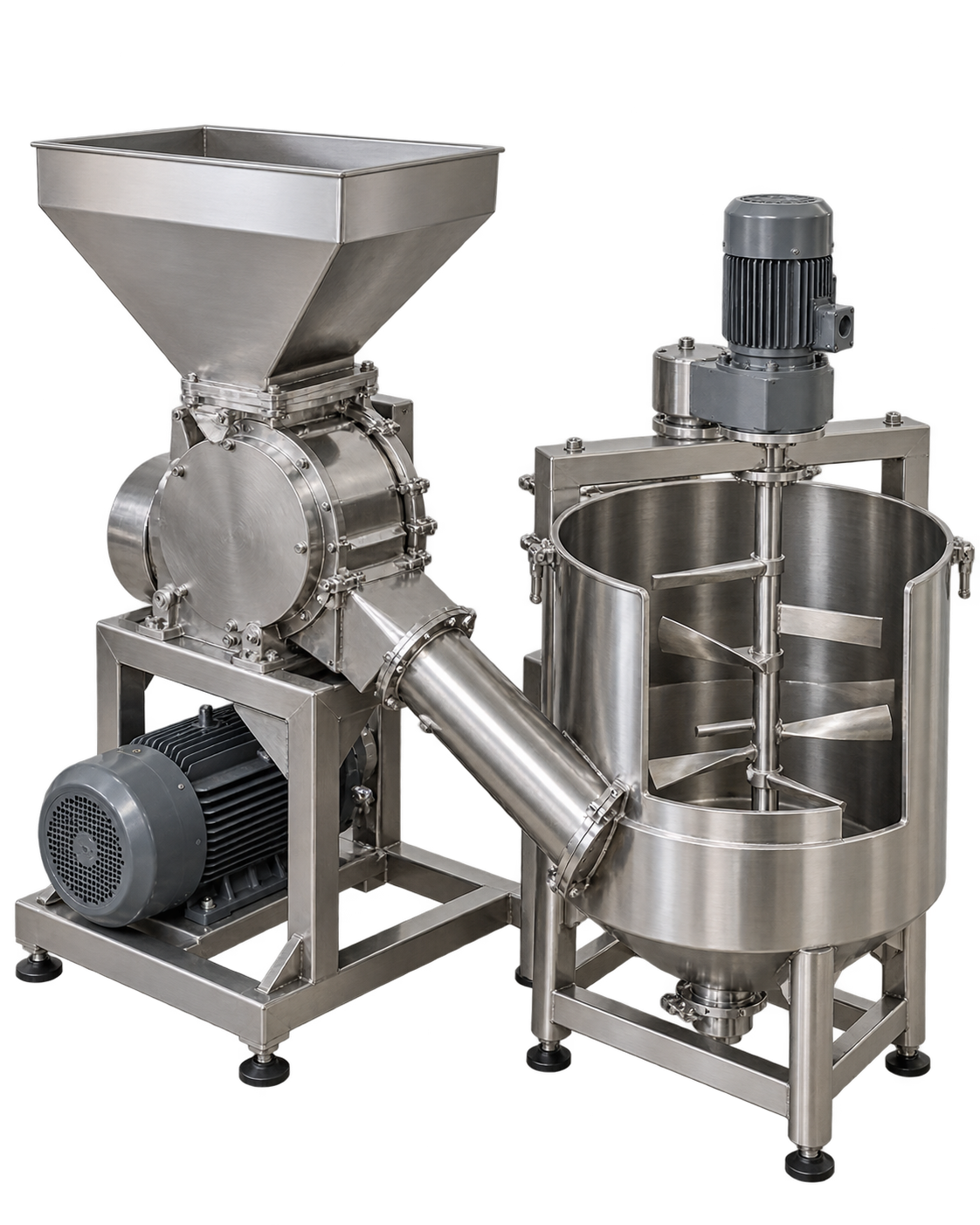
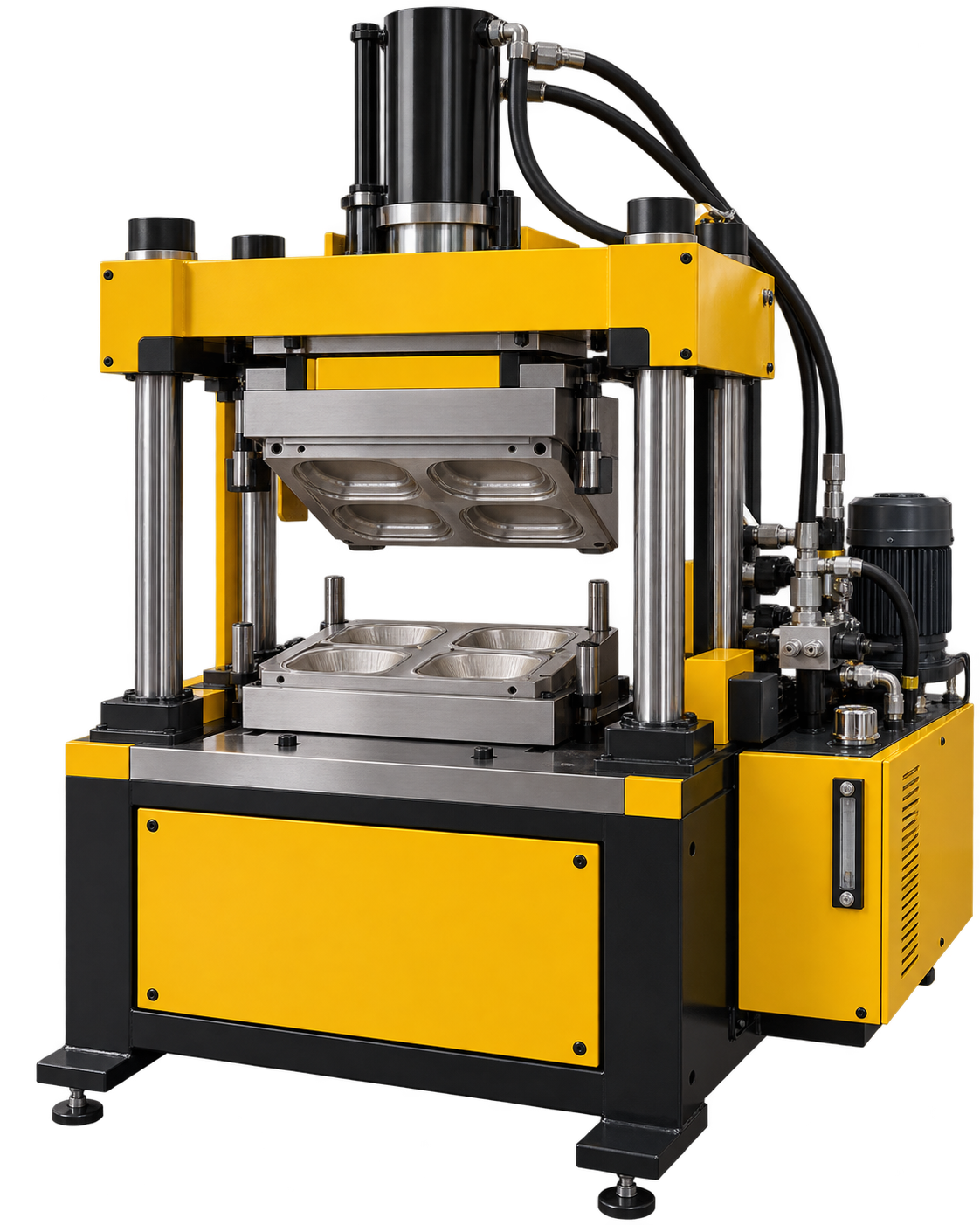
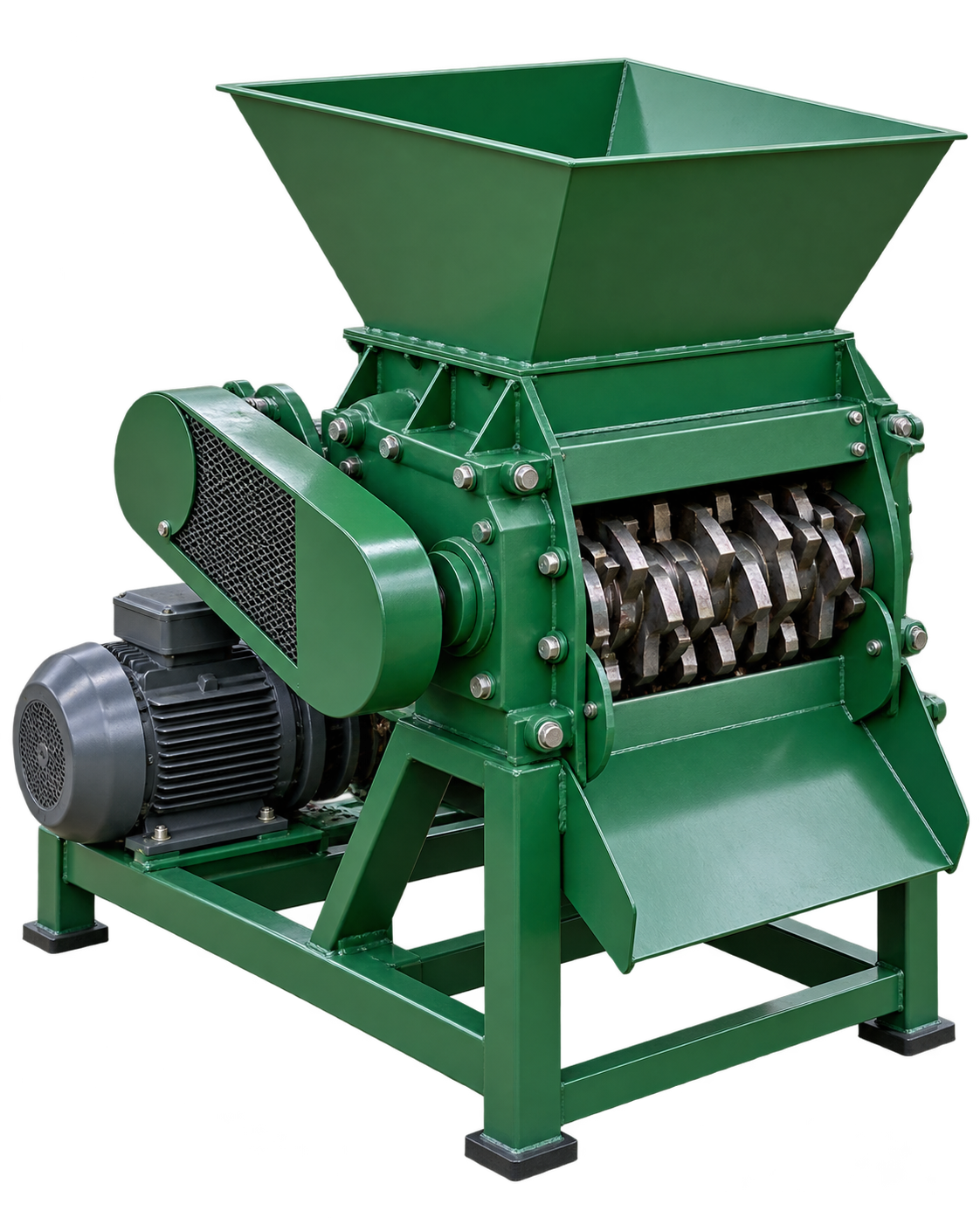
COCOLOOP is testing a compact green manufacturing Bahamas pathway — simple enough to pilot, flexible enough to expand.

Break down green husks into workable material.

Separate fibre and pith into useful fractions.

Prepare the fibre and test the formulation.

Use interchangeable molds to shape the product.
Equipment configuration and formulation remain part of the pilot validation process.
The goal is not souvenir economics. It's repeat institutional purchasing.
Target buyer groups include hotels and restaurants, schools and caterers, nurseries and farms — sectors that buy everyday products repeatedly and in volume.
COCOLOOP Bahamas is focused on building a local circular model around a waste stream already hiding in plain sight: discarded green coconut husks.
Instead of treating that material as trash, we are developing ways to process it into useful products designed for everyday use in The Bahamas.
COCOLOOP starts with the waste stream we have most of: green coconut husks. We are developing practical material pathways around local feedstock, beginning with molded products and coir applications.
As the material and supply chain are validated, new molds and additional coconut streams can open new product categories — without losing the core idea: create more value from what The Bahamas already throws away.
Validate first.
Scale second.
The goal is simple: cleaner waste streams, smarter materials and more products with a Bahamian story behind them.
A new local pathway for coconut waste Bahamas communities already generate.
A green manufacturing Bahamas concept built around local material rather than imported raw feedstock.
Bahamas material innovation that can begin with one waste stream and expand through new molds and products.
Longer term: expand the material into new molds, sustainable packaging Bahamas applications, and regional supply.
We are looking for two things during the pilot: reliable coconut-waste sources and organizations willing to test future products.
Coconut vendors, hotels, restaurants, events, landscapers and other high-volume generators.
Collection partner →Hotels, restaurants, schools, caterers, nurseries, farms and institutional buyers.
Product pilot →